Endodontic care · Hinckley
Root canal treatment in Hinckley
A root canal is designed to deal with disease inside a tooth while keeping its outer structure in place. Here is what to expect and how the decision is made.
Why a root canal may be suggested
Inside each tooth is a chamber of soft tissue containing nerves and blood vessels. Deep decay, an injury or a crack can damage that tissue. If it becomes irreversibly inflamed or infected, simply placing a filling on top will not solve the underlying problem.
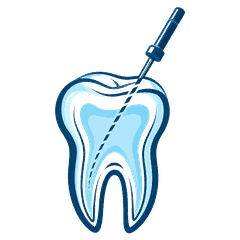
Root canal treatment removes the affected tissue and cleans the narrow spaces within the roots. A dentist then seals the canals to reduce the risk of further bacterial contamination.
What happens during treatment?
After examining the tooth and discussing your options, the dentist usually numbs the area with local anaesthetic. A protective sheet called a rubber dam helps keep the tooth isolated and the working area clean.
Small instruments are used to shape the canals, and disinfecting solutions help clean their internal surfaces. Magnification may assist with complex anatomy. When appropriate, the canals are filled and the tooth is temporarily or permanently sealed.
Why the crown or final filling matters
A root-treated tooth still needs to cope with everyday biting forces. A sound restoration protects it against leakage and, in some cases, fracture. Back teeth may need a crown or another covering restoration, depending on how much tooth remains.
Aftercare and possible outcomes
Mild tenderness for a few days is possible. Avoid chewing hard foods on a tooth with a temporary filling, follow the dentist's instructions and complete the final restoration without unnecessary delay.
Not every tooth is suitable for a root canal. The prognosis depends on existing cracks, gum support, remaining structure and the infection itself. You can compare the alternatives in our tooth-saving decision guide.